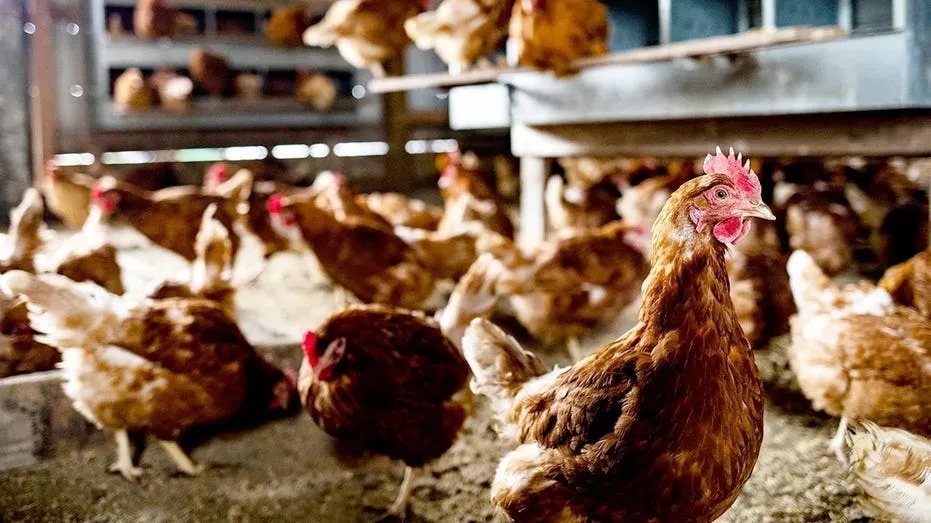
Authorities in Wisconsin have confirmed a new instance of highly pathogenic avian influenza (HPAI) in a backyard poultry flock located in Rusk County. The discovery of this highly contagious strain has led to the immediate euthanasia of the affected birds as part of measures to contain the potentially deadly disease, according to the Wisconsin Department of Agriculture, Trade and Consumer Protection (DATCP) announcement on Thursday.
The specific route of infection for this particular flock was not detailed by officials. However, the DATCP confirmed that all poultry on the premises were humanely euthanized and would not be permitted to enter the food supply chain, ensuring public safety.
Understanding Highly Pathogenic Avian Influenza
Highly pathogenic avian influenza is a severe viral disease, frequently lethal to domestic poultry. The DATCP notes that HPAI has been present among both wild and domesticated bird populations across North America since December 2021. This illness stems from influenza type A viruses, with its impact varying based on the specific viral strain and the species it infects.
Transmission of the HPAI virus can occur through direct contact with infected birds, exposure to wild birds or their fecal matter, or via contaminated equipment and clothing utilized by individuals handling the animals, as outlined by the DATCP.
Protective Measures and Surveillance
Following the confirmation of HPAI in a backyard poultry operation, authorities typically establish a surveillance zone spanning 10 kilometers around the affected site. Despite this, neighboring poultry premises are generally not subjected to movement restrictions.
To safeguard flocks and herds, the DATCP strongly advises livestock owners to implement stringent biosecurity measures. These include thorough handwashing, regular disinfection of equipment, limiting unauthorized access to animals, and quarantining any new animal additions for a minimum of 30 days. Additionally, the agency suggests that poultry owners keep their birds housed indoors whenever feasible to minimize exposure risks.