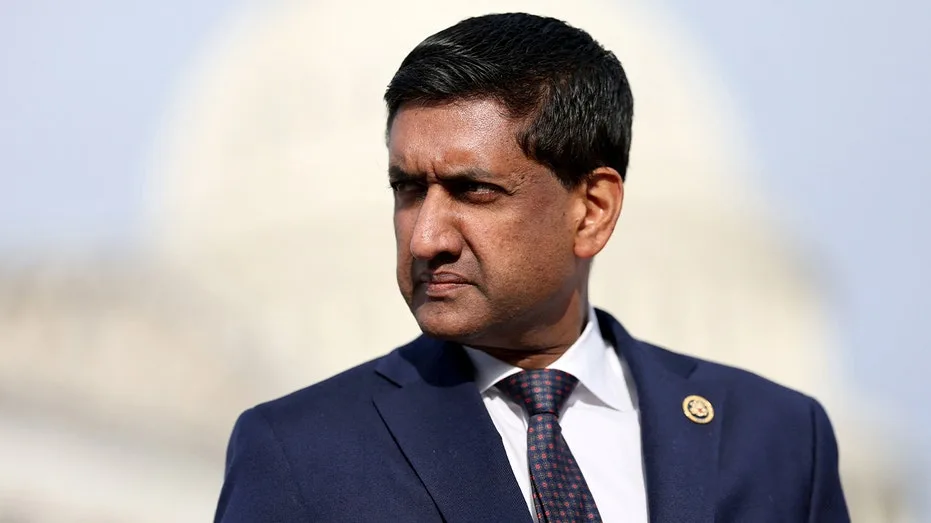
Representative Ro Khanna, a Democrat from California, introduced a proposal on Monday for direct payments of $1,700 to every American family. These payments are intended to help households manage the increased financial burdens stemming from the conflict in Iran.
Khanna, who has frequently voiced criticism regarding President Donald Trump's Middle East policies, stated that these checks would serve as a reimbursement for the elevated prices of gasoline, groceries, and utility bills. He asserts these price hikes are a direct consequence of the conflict and the resulting disruptions to global oil transportation routes.
Following significant midterm election victories earlier this month, the congressman emphasized that Democrats now have a crucial opportunity to deliver tangible relief to citizens. He urged both the House and Senate to approve these payments in January.
"I want to give every American family a $1,700 check to make them whole for the war in Iran," Khanna stated in a video disseminated on X. "This is to cover their higher gas prices, their higher food prices, their higher electricity bills. Now Democrats have a chance to deliver. The first week in January, the House and Senate must pass a $1,700 refund check to Americans. Let’s put it on Donald Trump’s desk."
Prior to this, Representative Khanna had advocated for Congress to block all financial allocations for the military engagement.
Khanna's Legislative Efforts and Economic Context
In September, Khanna also introduced legislation designed to reallocate specific unspent funds from the Pentagon to compensate taxpayers and their dependents for the economic repercussions of the conflict. That particular bill, which did not specify a $1,700 payment amount, has not progressed beyond the committee referral phase.
Last month, Mark Zandi, the chief economist at Moody’s Analytics, estimated that the ongoing conflict in Iran had imposed an approximate cost of $2,000 on the average American household, totaling an estimated $265 billion nationwide. This comprehensive estimate factored in higher energy expenses, increased borrowing costs, and direct military expenditures.
Gasoline prices experienced a significant surge after the conflict commenced in February, with the national average exceeding $4 per gallon before experiencing a decline in recent weeks. As of Monday, the average price stood at $3.81 per gallon, which is about 75 cents higher than the price recorded a year prior, according to data from AAA. Diesel fuel prices averaged nearly $6 per gallon, marking an increase of approximately $2.23 compared to the previous year.
Political Reactions and Prior Proposals
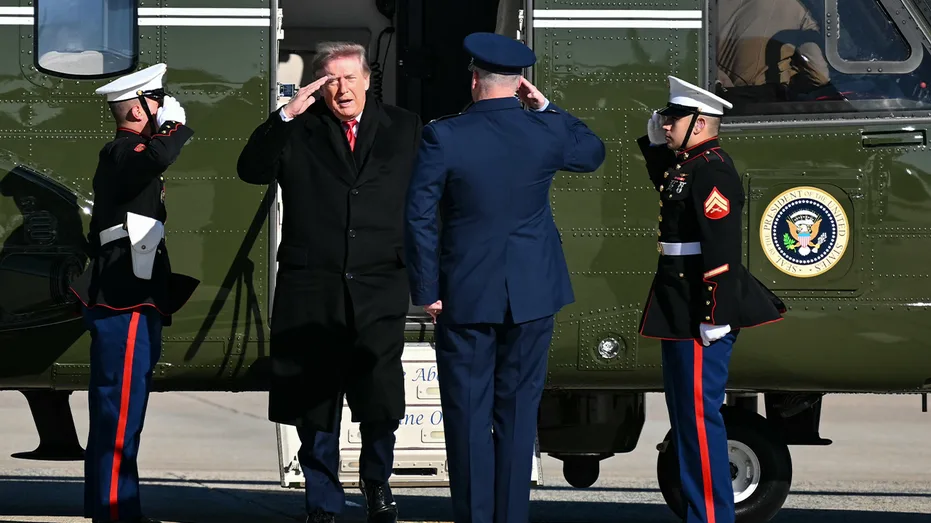
President Trump has consistently maintained that the elevated prices are a justifiable cost for preventing Iran from developing nuclear weapons. Nevertheless, both the president, Vice President JD Vance, and other Republican leaders have conceded that public frustration over rising costs contributed, at least in part, to the party's losses in the recent midterm elections.
Before the midterms, the president had pledged a $5,000 "Trump dividend" check to every adult U.S. citizen, conditioned on the Republican Party maintaining control of both the House and Senate. However, Republicans ultimately lost control of both legislative chambers.
Several prominent Republican figures had expressed reservations about Trump's proposed payment plan, citing concerns regarding the escalating national debt, potential inflationary pressures, and the necessity of congressional endorsement. It remains uncertain whether Representative Khanna's current proposal will encounter similar opposition from within the Democratic Party.
In his second term, Trump had previously put forth or supported other similar payment initiatives that ultimately did not materialize. These included a $5,000 "DOGE dividend" linked to government savings and a $2,000 payment intended to be funded by tariff revenues.