Leading Oncologist Outlines Six Habits for Enhanced Longevity and Reduced Chronic Disease Risk
A prominent oncologist and bioethicist from the University of Pennsylvania proposes a straightforward, evidence-based framework for healthy aging.
Health·
With a deluge of health and wellness information circulating across various media platforms, discerning actionable advice can be challenging. However, a distinguished oncologist and bioethicist at the University of Pennsylvania suggests that the path to healthy aging can be distilled into six straightforward, evidence-backed guidelines.
Dr. Ezekiel Emanuel introduces his initial principle, encapsulated as “Don’t be a schmuck,” in his book, Eat Your Ice Cream: Six Simple Rules for a Long and Healthy Life.
“Don't be stupid,” Emanuel recently remarked during an appearance on the ZOE Science & Nutrition podcast. He explained this phrase was a common admonition from his father to his three sons whenever they engaged in thoughtless behavior. Emanuel's brothers include former Chicago mayor Rahm Emanuel and influential talent agent Ari Emanuel.
Emanuel asserts that participation in inherently perilous activities, such as BASE jumping, ascending Mount Everest, or engaging in smoking and vaping, exemplifies this principle due to their significantly elevated risk of fatality.
Core Principles for a Longer, Healthier Life
Beyond avoiding obvious dangers, Emanuel’s remaining principles for extending lifespan and mitigating disease risk encompass:
- Cultivating an active social life.
- Maintaining mental engagement through new pursuits and learning experiences.
- Moderating intake of processed and sugary foods and beverages without excessive restriction.
- Regularly performing moderate physical exercise.
- Ensuring consistent and adequate sleep.
The Profound Impact of Social Connection
Emanuel underscores the fundamental importance of social interactions for human well-being. “Our entire brain is constructed around social interactions, and it does way more for us,” he stated. He highlighted the severe consequences of social isolation, noting, “We know that if you're lonely, socially isolated, you dramatically increase your risks of mortality.”
Extensive research involving over three million individuals globally has explored the link between social engagement and longevity. These studies consistently demonstrate that individuals who are socially isolated, defining those with zero or one friend and limited social contact, face a substantially higher probability of mortality within a few years.
According to Emanuel, experiencing social isolation or profound loneliness carries a health risk comparable to smoking 15 cigarettes daily. He emphasizes that both intimate relationships and casual social encounters contribute significantly to overall wellness.
Rethinking the
Related Stories

Wisconsin Infant Dies from Measles, Marking First State Death in 36 Years Amid Rising Cases
An infant in Wisconsin has died from measles, the state's first such fatality in 36 years. This tragic death occurs amidst Wisconsin's highest measles case count in over three decades, prompting health officials to urge
Nov 6

New York State Reports First Measles Fatality in Over Three Decades Amid Ongoing Outbreak
New York state has confirmed its first measles-related death in over 30 years, a child in Lewis County. Governor Kathy Hochul expressed sorrow, reinforcing the critical importance of vaccination. This fatality occurs
Nov 3
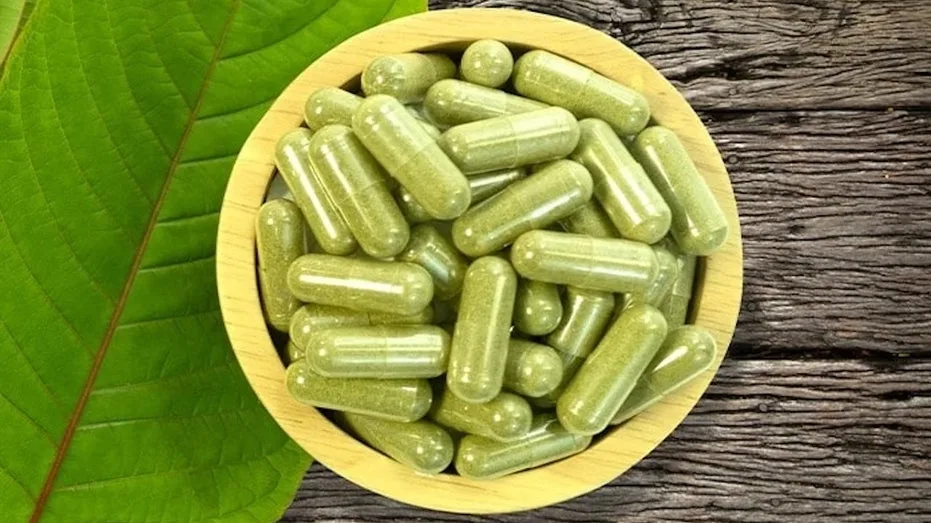
Kratom Industry Urges Distinction Between Natural Product and Synthetic Opioids Amid Student Death Probe
Amid an investigation into the deaths of two university students, the kratom industry is calling for clear distinctions between natural kratom products and synthetic opioids. They advocate for stronger enforcement of
Oct 1

Neurologist Introduces '10-Year Rule' for Assessing Brain Fog and Early Dementia Symptoms
Many older adults worry about memory lapses, fearing early dementia. A UCLA neurologist suggests comparing current cognitive state to ten years ago, especially for women experiencing menopausal hormone shifts. This
Sep 26