As Middle East Conflict Continues, US Must Envision a Post-Islamic Republic Iran
Six months into regional hostilities, the fundamental question surrounding Iran’s government shifts from its military capabilities to its ultimate political future.
Opinion·
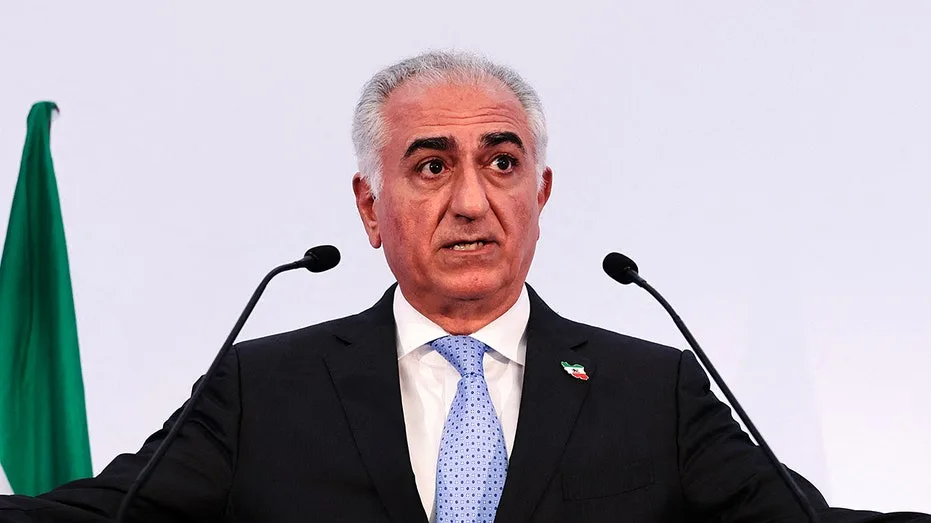
Half a year into the ongoing conflict, the pivotal inquiry regarding Iran's ruling establishment is no longer confined to its missile arsenal, the Islamic Revolutionary Guard Corps' (IRGC) capacity to threaten the Strait of Hormuz, or the potential duration of confrontations. A more profound, political, and historical question has emerged: Who holds the reins of power in Iran? Is it Mojtaba Khamenei, whose influence at the system's apex remains largely obscure; Masoud Pezeshkian, whose presidential office was never designed to wield ultimate sovereign authority; or the IRGC, which, after decades of consolidating military, intelligence, and economic control, might have become the true center of governmental gravity?
Increasingly, Iran appears less like a Shiite theocracy safeguarded by its clergy and more like a militarized dictatorship where the infamous religious leadership provides ideological legitimacy for those who control the armed forces.
The Shiite Republic, or Islamic Caliphate of mullahs, emerged in the harsh winter of 1979 with promises of salvation, yet delivered coercion. Khomeinism transformed political Islam into state power, utilizing terrorism, proxy warfare, and revolutionary expansion as tools of foreign policy. For nearly five decades, Tehran meticulously constructed armed transnational terrorist networks abroad while stifling political freedoms at home.
Now, this rogue government, which once harbored ambitions of exporting its revolution, is consumed by a more basic instinct: self-preservation. Conflict serves this objective. Under its shadow, dissent is branded as treason, criticism as collaboration, and repression as patriotism. Washington must reject the regime's enduring deception: Iran is not synonymous with the Islamic Republic, and the Islamic Republic has never truly represented Iran.
The Deepening Crisis and Calls for Change
This distinction gains critical importance as economic pressures escalate. While
Related Stories

Interstate Migration Sparks Political Debate in Texas and Other Conservative States
A growing number of individuals moving from states like California to Texas are maintaining their Democratic voting habits, leading to concerns among long-time residents about the potential political transformation of
Oct 30
Journalistic Fatigue: The Pressing Challenges of Fact-Checking Prominent Political Figures
A veteran journalist identifies a growing fatigue among reporters covering a former president, attributing it to a perceived pattern of untrue statements. This 'exhaustion syndrome' may lead to a diminished focus on
Oct 29
Representative Ilhan Omar Draws Criticism for Alliance with Streamer Known for Incendiary Remarks
Representative Ilhan Omar's recent public appearance with streamer Hasan Piker has ignited debate, particularly after Piker's controversial defense of Omar amidst a federal investigation into her citizenship and
Oct 28
Midterm Elections Defined by Unprecedented Barrage of Negative Campaigning and Personal Attacks
With the midterm elections drawing near, the political landscape is dominated by an intense wave of negative ads and personal attacks. High-stakes races across the country are seeing campaigns deploy increasingly harsh
Oct 26