Israel Heads to Polls Amid Deep Divisions and Post-October 7 Accountability Questions
Voters across Israel are preparing for a critical election marked by profound internal rifts and a national reckoning following the October 7, 2023, attacks.
World·
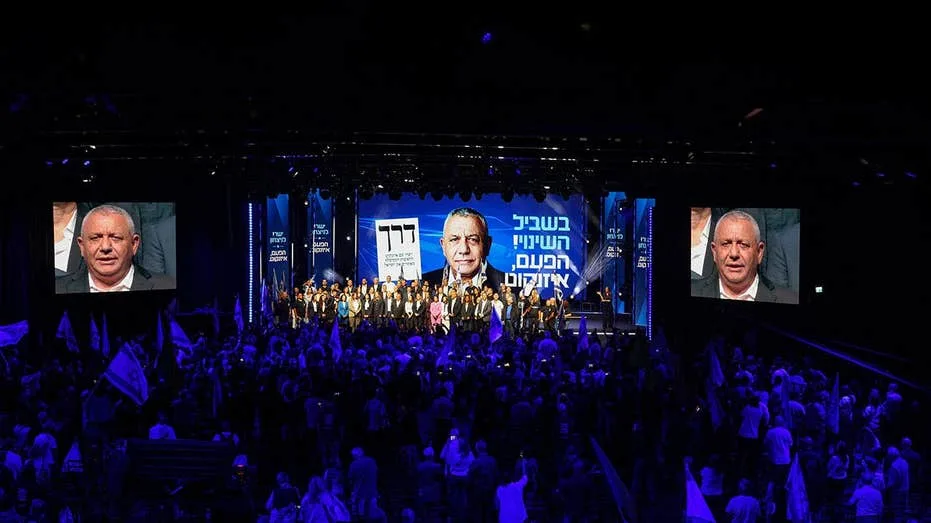
TEL AVIV, ISRAEL — As campaign posters featuring Israel's political figures adorn cityscapes and thoroughfares, a single question dominates conversations in homes, cafes, and family gatherings: Will Prime Minister Benjamin Netanyahu retain his position?
With citizens heading to the polls on Tuesday, the country anticipates a fiercely contested election that could once again result in political gridlock. However, this particular vote stands apart from any other in Israel's recent history.
For many Israelis, the upcoming election has become a pivotal moment to demand accountability for the systemic failures that enabled Hamas militants to execute the devastating October 7, 2023, massacre—the deadliest assault in the nation’s history.
Netanyahu, a dominant figure in Israeli politics for decades, has consistently rejected calls to accept personal responsibility for the security lapses and to establish an independent state commission of inquiry. Instead, his administration has pursued a politically appointed investigation, a proposition strongly opposed by numerous families who lost loved ones.
The Shadow of October 7th
Israel's internal divisions, however, predated the October 7 attacks. In the months leading up to the assault, hundreds of thousands of Israelis demonstrated against Netanyahu's proposed judicial reforms, which critics argued threatened to undermine the country's democratic foundations. This contentious debate extended into the military, with reservists threatening to halt their volunteer service, sparking concerns about Israel's operational readiness. Some commentators have suggested that this internal turmoil may have conveyed an impression of vulnerability to Israel's adversaries, although the precise impact on Hamas's decision to attack remains a subject of ongoing debate.
Three years after the tragic events, these divisions have only deepened, transforming Tuesday's vote into an intensely personal decision for many. Political loyalties have strained friendships and fragmented families, with much of the national discourse boiling down to a singular query: Are you in favor of Netanyahu, commonly known as "Bibi," or against him?
For some families grieving losses from October 7, the answer is unequivocally clear.
Shir Shai, whose brother Yaron Shai, an Israeli soldier, died fighting Hamas militants that day, delivered a powerful message to those contemplating another vote for Netanyahu.
"If you nevertheless decide to vote again for the man who brought disaster upon us and his accomplices, I have one personal request: Don't come here anymore," Shai stated during her brother's memorial ceremony on October 7.
"You still have 20 days to be part of the process of putting things right. But if you choose to perpetuate the failure rather than honor the fallen, it would be better if you stayed home next year," she added.
Conversely, other bereaved families have arrived at the opposite conclusion, commending Netanyahu for his steadfast leadership through years of conflict on multiple fronts and asserting that Israel's military and intelligence agencies bear the primary responsibility for failing to foresee the Hamas offensive.
Deepening Political Fault Lines
The highly polarized atmosphere has been further exacerbated by an increasingly acrimonious campaign. Just two days before the election, Netanyahu disseminated an AI-generated image depicting a nuclear explosion over Tel Aviv, issuing a stark warning about the existential threat posed by Iran should the country elect a leader deemed incapable of confronting Tehran.
Concerns now extend beyond the immediate election outcomes. Israeli police are making preparations for potential civil unrest once polls close, while experts have cautioned about possible challenges to the legitimacy of the results—including a worst-case scenario reminiscent of the January 6, 2021, assault on the U.S. Capitol.
With the opposition unified in its determination to replace Netanyahu but fragmented over its post-election governance strategy, neither political bloc appears to have a guaranteed parliamentary majority, meaning the final resolution could take several weeks to materialize.
Election Mechanics and Schedule
Israelis will cast their ballots on Tuesday, October 27, with most polling stations operating from 7 a.m. to 10 p.m. local time.
Election Day is recognized as a national holiday in Israel, providing citizens with the opportunity to participate in the democratic process. It is worth noting that some smaller communities and specialized polling locations may operate on modified schedules.
To be eligible to vote, individuals must be Israeli citizens aged 18 or older and are generally required to vote at their designated polling station. The majority of Israelis residing abroad are unable to vote remotely, though exceptions exist for certain official representatives serving overseas.
Israel operates under a parliamentary system where voters select a political party rather than an individual candidate for prime minister.
The nation's parliament, known as the Knesset, comprises 120 seats, which are allocated through a system of nationwide proportional representation.
Each participating party submits a ranked list of candidates, and the number of seats it secures is directly proportional to its share of the national vote.
For a party to gain entry into parliament, it must achieve at least 3.25% of the total valid votes. Parties failing to meet this threshold do not receive any seats, a factor that can significantly alter the balance of power between competing political blocs.
Israel's major television networks are expected to broadcast exit polls immediately after voting concludes at 10 p.m. Tuesday (4 p.m. EST).
These initial projections will offer the first indication of how many seats each party might secure and whether Netanyahu or his challengers are better positioned to form a governing coalition.
However, exit polls are not official results, and even minor discrepancies in the final vote count could determine which parties successfully cross the electoral threshold.
Actual vote tabulation will proceed as ballots are counted, with preliminary results emerging after polls close and continuing over the subsequent days.
The Israeli Central Elections Committee has slated the official publication of results for Wednesday, November 4, eight days following the election.
Key Players and Coalition Building
Prime Minister Benjamin Netanyahu, 77, leads the conservative right-wing Likud party and is seeking to extend his unprecedented tenure as Israel's longest-serving prime minister.
His principal challenger is Gadi Eisenkot, 66, a former chief of staff of the Israel Defense Forces, who heads the centrist Yashar party and has positioned himself as a clear alternative to Netanyahu's leadership.
Former Prime Minister Naftali Bennett, 54, is also attempting a political resurgence, running on a joint ticket with another former Prime Minister, Yair Lapid.
Other influential political figures include former Defense Minister Avigdor Lieberman, Democrats leader Yair Golan, and Netanyahu's right-wing populist allies Itamar Ben-Gvir and Bezalel Smotrich.
Arab political parties, such as Ra'am and the Joint List, could also play a decisive role in shaping the ultimate parliamentary balance.
The crucial numerical objective in Israeli politics is 61—representing a majority of the 120-seat Knesset.
No single Israeli party has ever achieved enough seats to govern parliament autonomously, necessitating the formation of coalitions with other political factions.
Consequently, the party that secures the most seats does not automatically assume leadership of the government.
Instead, the decisive factor is which political leader can garner sufficient parliamentary support to establish a governing coalition.
Once the official election results are published, Israeli President Isaac Herzog will engage in consultations with representatives from the newly elected parliamentary factions.
Within seven days, the president is mandated to assign a member of the Knesset the responsibility of forming a government.
Typically, the president selects the politician deemed most likely to successfully assemble a governing coalition, who is not necessarily the leader of the largest party.
That designated candidate initially has 28 days to forge agreements with other parties, with the possibility of an extension for up to 14 additional days.
The proposed government must then secure a confidence vote in the Knesset before officially taking office.
Should the first candidate fail to form a government, the president has the option to ask another lawmaker to undertake the task, granting that individual 28 days without the possibility of an extension.
If this second attempt also proves unsuccessful, a majority of 61 lawmakers can petition for another candidate to be given 14 days to try.
Should no government emerge from these processes, Israel could be compelled to hold yet another national election.
Coalition negotiations can often span weeks or even months. According to the Israel Democracy Institute, the historical timeframe for forming an Israeli government has ranged between 20 and 100 days.
Until a new government is officially sworn in, the outgoing government remains in power.
Challenges for the Next Government
Tuesday's vote marks the first national election since the devastating October 7, 2023, Hamas-led attacks, which ignited the ongoing conflict in Gaza and raised profound questions regarding Israel's security leadership.
Beyond Netanyahu's political trajectory, the incoming government will confront critical decisions concerning Israel's national security posture, the future governance of Gaza, military conscription policies, diplomatic relations with the United States, and the country's broader regional diplomatic engagements.
With pre-election polls indicating no clear path to a parliamentary majority for either of the major political blocs, the outcome of this contest could remain unresolved long after Tuesday's ballots are tallied.
Related Stories
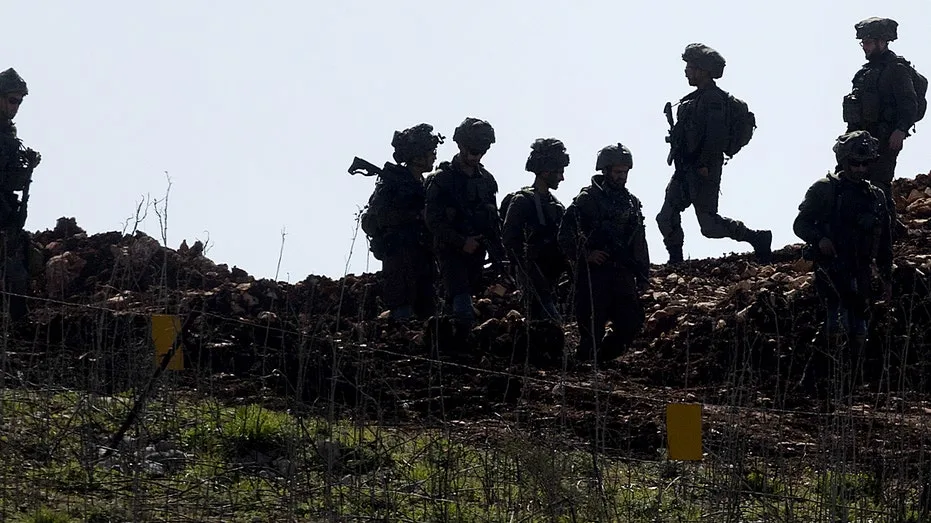
Israel Strengthens Defenses with Extensive Military Drills Amid Regional Tensions, Expert Warns of Miscalculation
Israel's military initiated large-scale drills across its northern and central regions to prepare for potential infiltrations and ground attacks. These exercises come amidst heightened regional tensions, with one
Oct 26
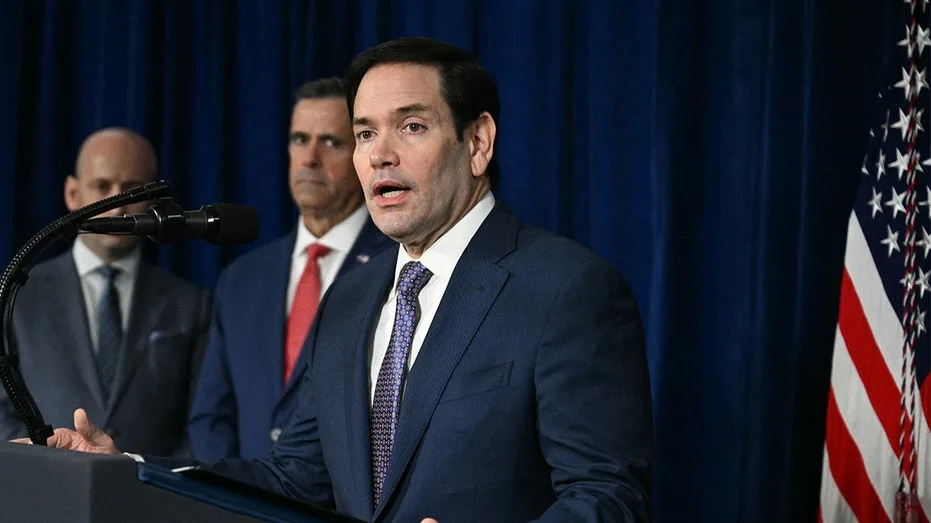
Senator Marco Rubio Urges Cubans to Work with CIA; Trump Floats Negotiating Role for Rubio
Senator Marco Rubio publicly encouraged Cubans to discreetly partner with the CIA to foster political change, citing widespread disappointment. Concurrently, former President Donald Trump proposed Rubio lead
Oct 23
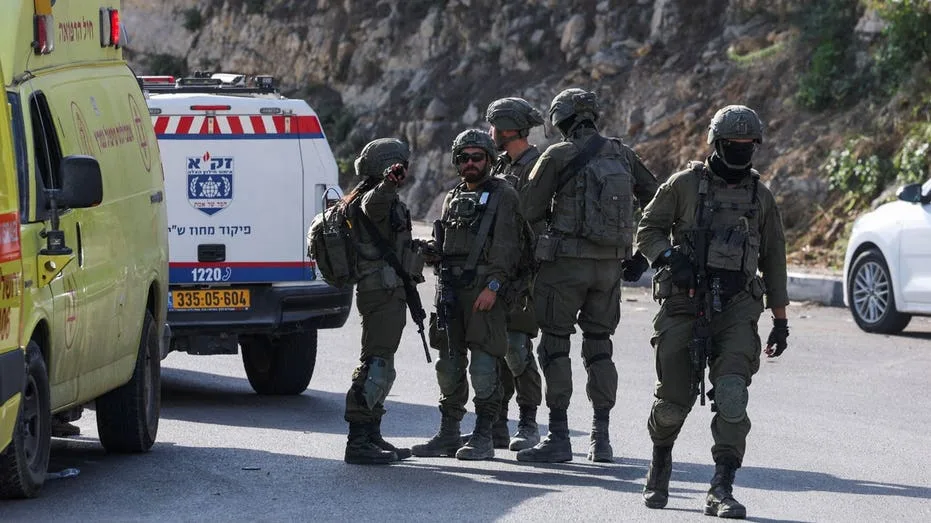
Shooting in Southern West Bank Wounds Five Israelis, Two Suspected Assailants Killed
A shooting incident in the southern West Bank on Friday wounded five Israelis, two critically. Israeli Defense Forces responded, killing two suspected gunmen and establishing a blockade as they searched the area.
Oct 23
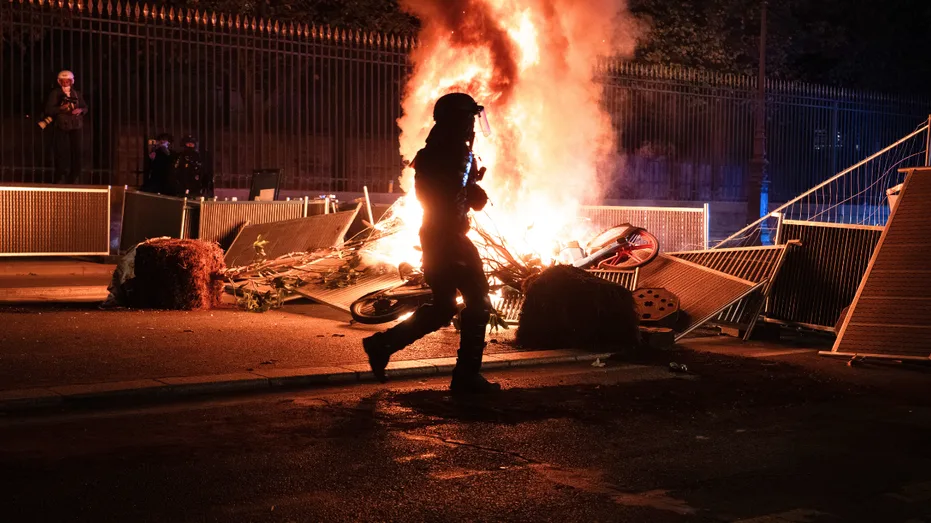
French Protests Fuel Global 'Chaos Inc.' Narrative, Linked to International Communist Networks
French student and national protests are being amplified by an international network of communist and socialist organizations and activists. These groups, some linked to a Marxist tech tycoon, frame the unrest as a
Oct 19